I. Composition and Sourcing
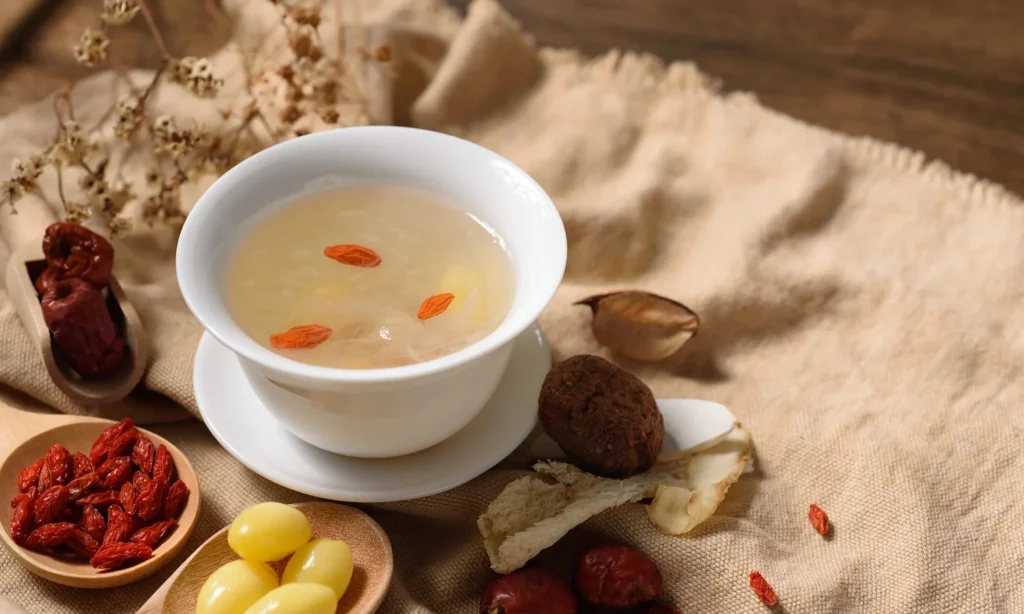
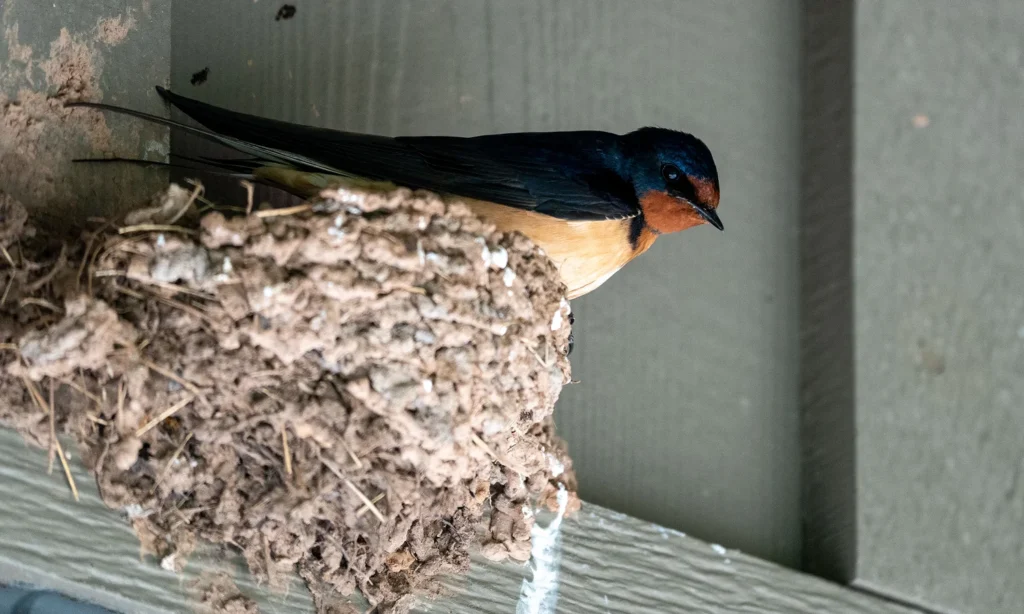
The edible bird’s nest, a key ingredient in the eponymous soup, is a unique biological construct not to be confused with common nests built from twigs. These nests are produced by swiftlets (birds of the genus Aerodramus and Collocalia), predominantly native to Southeast Asia. Inhabiting dark caves, swiftlets utilize echolocation for navigation. Their nests are constructed from filaments of gelatinous saliva, secreted from sublingual glands, which solidifies upon exposure to air.
The resulting structure is a durable, cup-shaped formation, securely cemented to the vertical walls of caves. The coloration of these nests ranges from white and yellow to red. The harvesting process is notoriously perilous, often requiring collectors to ascend great heights within caves using precarious, narrow ladders—a practice that has historically resulted in significant risk to human life.
II. Conservation Status and Controversy
The consumption of edible bird’s nests is accompanied by considerable controversy, primarily concerning conservation. High market demand has placed pressure on swiftlet populations, several species of which are now endangered. This is particularly acute in regions such as the Andaman and Nicobar Islands, leading to harvesting bans in locales like Dazhou Island and Hainan where local populations face extinction.
In response, swiftlet farming has been established in countries such as Malaysia and Thailand. This practice often involves repurposing structures to create artificial habitats for the birds, aiming to provide a more sustainable and controlled method of nest collection.
III. Historical Context and Varieties
Bird’s nest soup has been a esteemed component of Chinese culinary tradition for centuries, with its consumption documented as early as the Ming Dynasty. Historical accounts often attribute its introduction to the explorer and diplomat Zheng He.
The nests are graded based on color, with red (“blood-nest” or 血燕), yellow, and white being the primary classifications. The red variant is the rarest and most highly prized. Contrary to popular myth, its coloration does not originate from the swiftlet’s blood but is rather a result of the bird’s diet and the mineral composition of the local environment.