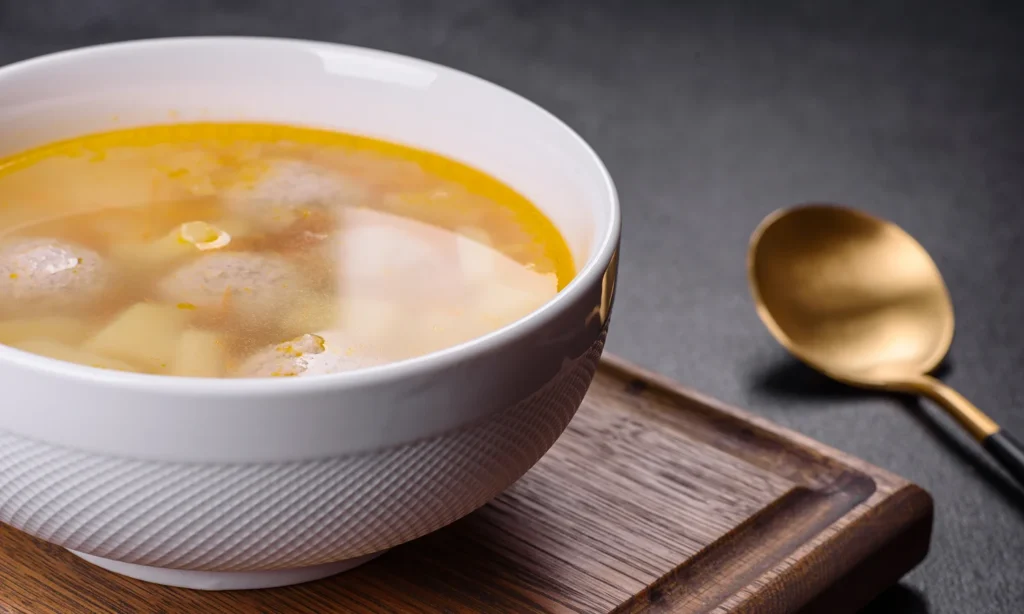
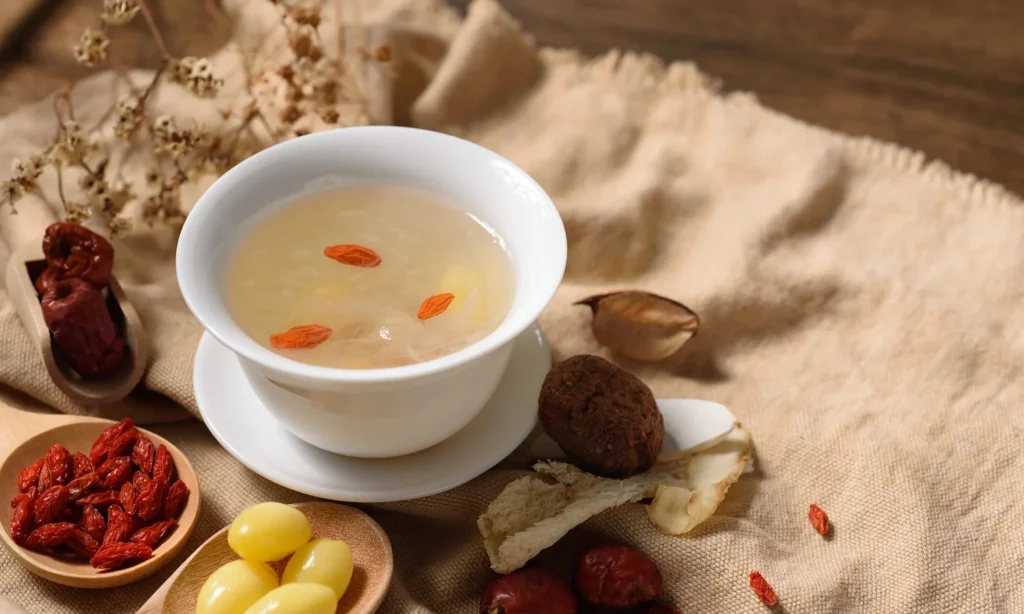
Given all the hype and the high price tag, you might be expecting bird’s nest soup to have a powerful, complex flavor. The truth is, on its own, the bird’s nest itself is quite subtle. Its taste is very mild, and the texture is often described as a soft, slippery gelatin, similar to a delicate jelly.
So, how is it typically prepared? In Chinese cuisine, the most classic way to serve it is as a sweet dessert soup. The bird’s nest is gently simmered with rock sugar, creating a light, soothing, and slightly sweet broth that lets the unique texture take center stage. For a creamier alternative, some people skip the rock sugar and simply mix their prepared bird’s nest into a cup of warm milk.
When it comes to cooking, the method is everything. You can’t just toss it in the microwave or boil it vigorously on the stove. High, direct heat will ruin both the delicate consistency and the valuable nutrients you’re trying to enjoy. The nest can become tough or simply dissolve, leaving you with a bland and nutritionally lacking broth.
The key is a gentle approach. The standard method involves first soaking the dried nest in water to rehydrate it. Then, instead of boiling, it’s slowly and gently steamed. This low-and-slow process preserves its silky texture and ensures all its goodness stays right where you want it—in your soup bowl. Think of it less like cooking and more like carefully warming a precious ingredient.