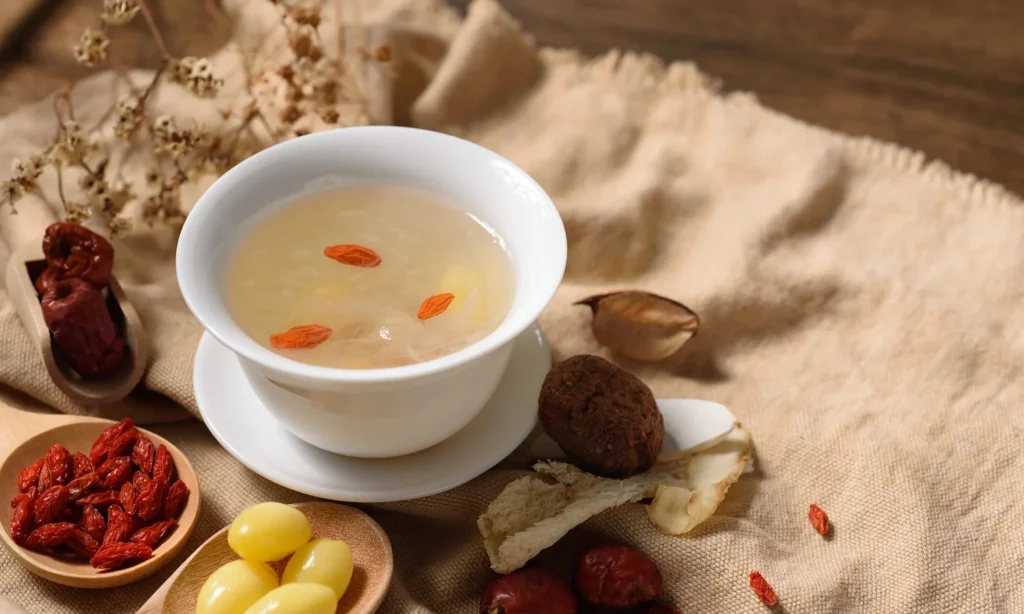

Edible bird’s nests (EBN) have been esteemed in Traditional Chinese Medicine (TCM) for centuries, where they are traditionally believed to alleviate conditions such as tuberculosis, asthma, and gastric ailments. While modern science is investigating these claims, it is important to distinguish between traditional use and evidence-based findings. Current research, largely preliminary, points to several potential health benefits attributed to the unique biochemical composition of EBN.
Potential Therapeutic Properties
The health claims surrounding EBN are diverse, ranging from immune support to chronic disease management. Scientific inquiry has begun to explore these areas:
· Immune and Metabolic Function: EBN is traditionally consumed to boost energy, metabolism, and libido. Preliminary in vitro (test tube) studies suggest that certain bioactive compounds in EBN may exhibit antiviral properties, potentially inhibiting the influenza virus. There is also growing interest in its potential application for supporting immune function.
· Neurological Health: Animal research indicates that EBN may have neuroprotective effects. Studies suggest it can enhance cognitive performance in animal models by reducing inflammation and oxidative stress in the brain—key factors in neurodegenerative conditions like Alzheimer’s and Parkinson’s disease, as well as in stroke recovery.
· Skin Health and Anti-Aging: The reputation of EBN as a beauty treatment is supported by some scientific findings. Specific proteins in EBN have been shown to help protect the skin’s barrier, offer anti-oxidative properties, and improve skin texture. While its collagen-like structure leads to claims that it can strengthen facial collagen, this specific mechanism requires further clinical validation.
· Chronic Disease Management: Early-stage laboratory and animal studies show promising results. Some components of EBN have been observed to slow the rapid proliferation of certain cancer cells in vitro. Furthermore, research in diabetic mice suggests EBN may protect blood vessels from oxidative stress, a major contributor to cardiovascular disease in individuals with diabetes. Its potential role in supporting bone health and managing osteoarthritis is also an emerging area of scientific interest.
A Note on the State of Evidence
It is crucial to interpret these findings with caution. Much of the compelling evidence comes from in vitro studies or animal models. While these preliminary results are valuable for guiding scientific inquiry, they cannot directly confirm the same effects will occur in humans. Robust, large-scale human clinical trials are necessary to substantiate these potential health benefits and establish clear cause-and-effect relationships.
[reference: Frontiers in Pharmacology – 103389/fphar.2021.626233]